Dog Blog!
I'm going to chronicle my dog training experiences, & post them here. I hope it will be beneficial for y'all!
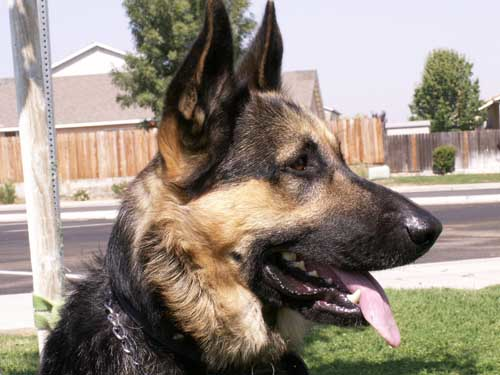
I Miss Schutzhund!
Tuesday, March 28th - 7:44pm
Schutzhund is a German term meaning "protection dog," and Schutzhund training is a sport that involves teaching dogs to excel in obedience, tracking, and protection work. It is a demanding and rigorous training regimen, but for those who love dogs and enjoy working with them, it can be incredibly rewarding. In this blog post, I will explore my personal desire to once again train dogs in Schutzhund.
My History with Schutzhund Training
I have been a dog lover all my life, and I was first introduced to Schutzhund training over a decade ago. At the time, I was immediately drawn to the sport, and I began working with several dogs in obedience, tracking, and protection work. I found the training to be challenging, yet incredibly fulfilling, and I loved watching the dogs grow and develop as they progressed through the program.
Eventually, life got in the way, and I had to step away from Schutzhund training for a time. However, the desire to return to the sport has never left me. I miss the challenge of training dogs to perform at their highest level, and I miss the camaraderie of working with other Schutzhund enthusiasts.
Why I Want to Return to Schutzhund Training
There are several reasons why I want to return to Schutzhund training. First and foremost, I love working with dogs, and I find the training process to be incredibly rewarding. I enjoy the challenge of teaching a dog new skills and watching as they master each task.
Secondly, I appreciate the sense of community that Schutzhund training provides. Schutzhund enthusiasts are a tight-knit group, and the friendships that are formed through training and competition are truly special.
Finally, I believe that Schutzhund training can help dogs develop confidence and self-assurance. Dogs that have been trained in Schutzhund are well-behaved, obedient, and have a strong sense of purpose. They are confident in their abilities and are able to handle a variety of different situations with ease.
Schutzhund training is not for everyone, but for those who are passionate about working with dogs, it can be an incredibly rewarding experience!
Firm But Fair - that's MY Training Technique
Tuesday, March 28th - 7:28pm
When it comes to dog training, there are many different approaches that one can take. Some people advocate for a gentle, positive-reinforcement approach, while others believe in a more assertive, firm-but-fair style of training. In this blog post, we will explore the concept of firm-but-fair dog training, and discuss some tips for implementing this approach.
What is Firm-But-Fair Dog Training?
Firm-but-fair dog training is a style of training that emphasizes the importance of clear boundaries and consistent expectations for a dog's behavior, while also being kind and compassionate. This approach is not about being overly harsh or punishing a dog, but rather about setting clear rules and limits and holding a dog accountable for their behavior.
Tips for Firm-But-Fair Dog Training:
- Be Consistent: One of the most important aspects of firm-but-fair dog training is consistency. This means setting clear rules and expectations for your dog's behavior, and being consistent in enforcing them. If you allow your dog to jump on you sometimes but not others, or if you let them get away with certain behaviors one day but not the next, this can be confusing and frustrating for your dog.
- Positive Reinforcement: While firm-but-fair training emphasizes the importance of setting clear boundaries, it is also important to use positive reinforcement to encourage good behavior. This can include treats, praise, and affection when your dog behaves well.
- Avoid Punishment: While it is important to hold your dog accountable for their behavior, it is not necessary to punish them harshly when they make mistakes. Punishment can lead to fear and anxiety in dogs, and can damage the bond between you and your furry friend.
- Communicate Clearly: Dogs rely on clear communication to understand what is expected of them. Using consistent verbal and nonverbal cues, such as hand signals or body language, can help your dog understand what behaviors are acceptable and what behaviors are not.
- Set Realistic Expectations: It is important to set realistic expectations for your dog's behavior based on their breed, age, and personality. Some dogs may be more prone to certain behaviors, such as barking or jumping, and may require more training and patience than others.
In conclusion, firm-but-fair dog training is a style of training that emphasizes clear boundaries, consistent expectations, positive reinforcement, and effective communication. By implementing these tips, you can create a strong bond with your dog while also ensuring that they are well-behaved and happy.
First Post!
Tuesday, March 14th - 11:28am
I am looking forward to getting my next German Shepherd puppy, as soon as I'm able to. Once I get my new place, & I have enough room for me & my dog, I'll begin my search for the perfect puppy for me, from one of the many quality, professional breeders that I know of.
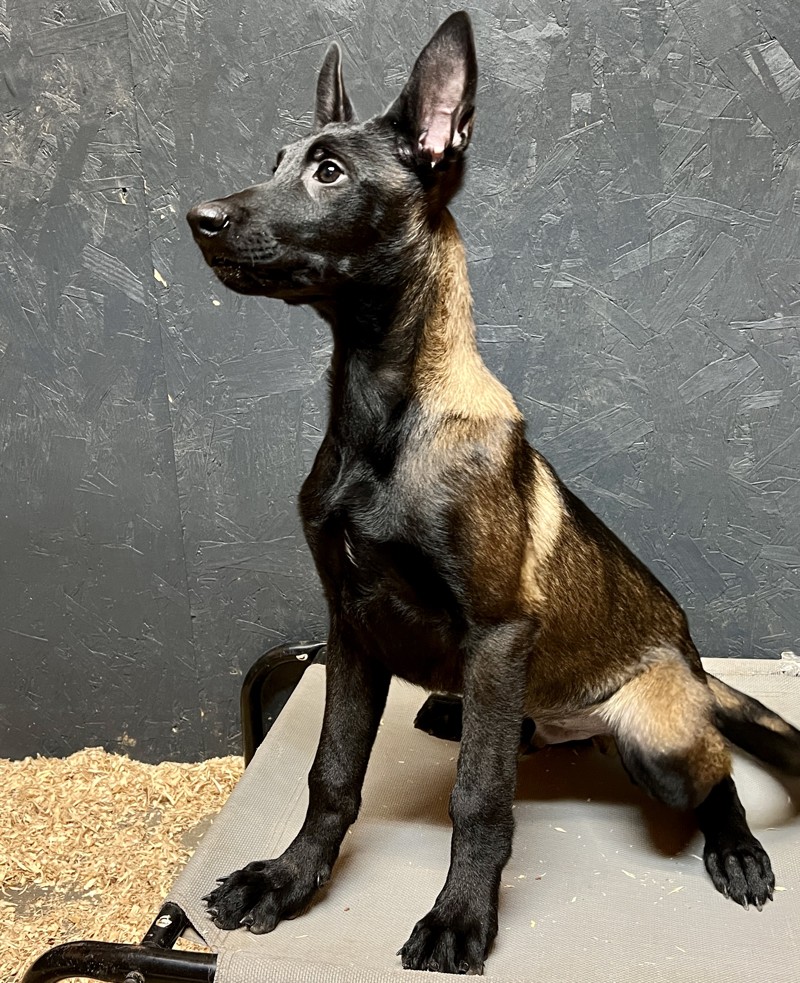
My landlord has asked me to train his new Belgian Malinois that he'll be getting. I can't wait! I'll definitely be blogging about it!!! I've worked with high-drive German Shepherd Dogs, both puppies & adults, & I've raised them myself, so I'm dying to see the main differences between the two breeds.
Do I Want A German Shepherd Dog, or Belgian Malinois?
Hmmm...great question! For me, I'm Team GSD all the way, & my next dog will definitely be a German Shepherd, but I'm sure I'll be adopting a Belgian Malinois at some point in my life. While both breeds are highly intelligent, loyal, & protective, & both breeds can be high-energy dogs, a German Shepherd Dog can tend to be a bit calmer, & are the preferred dog, for the casual lifestyle.
More to come!
I hope my dog training experiences will be a blessing to your own dog training, & I hope it will benefit your relationship with your dog, as well!